
Have you ever confused waste vs waist while writing a sentence? You are definitely not alone. These two words sound the same in normal English speech. However, their meanings are completely different.
This small spelling difference can create a big meaning problem. It can also make an otherwise good sentence look incorrect. The good news is that learning the difference is very simple.
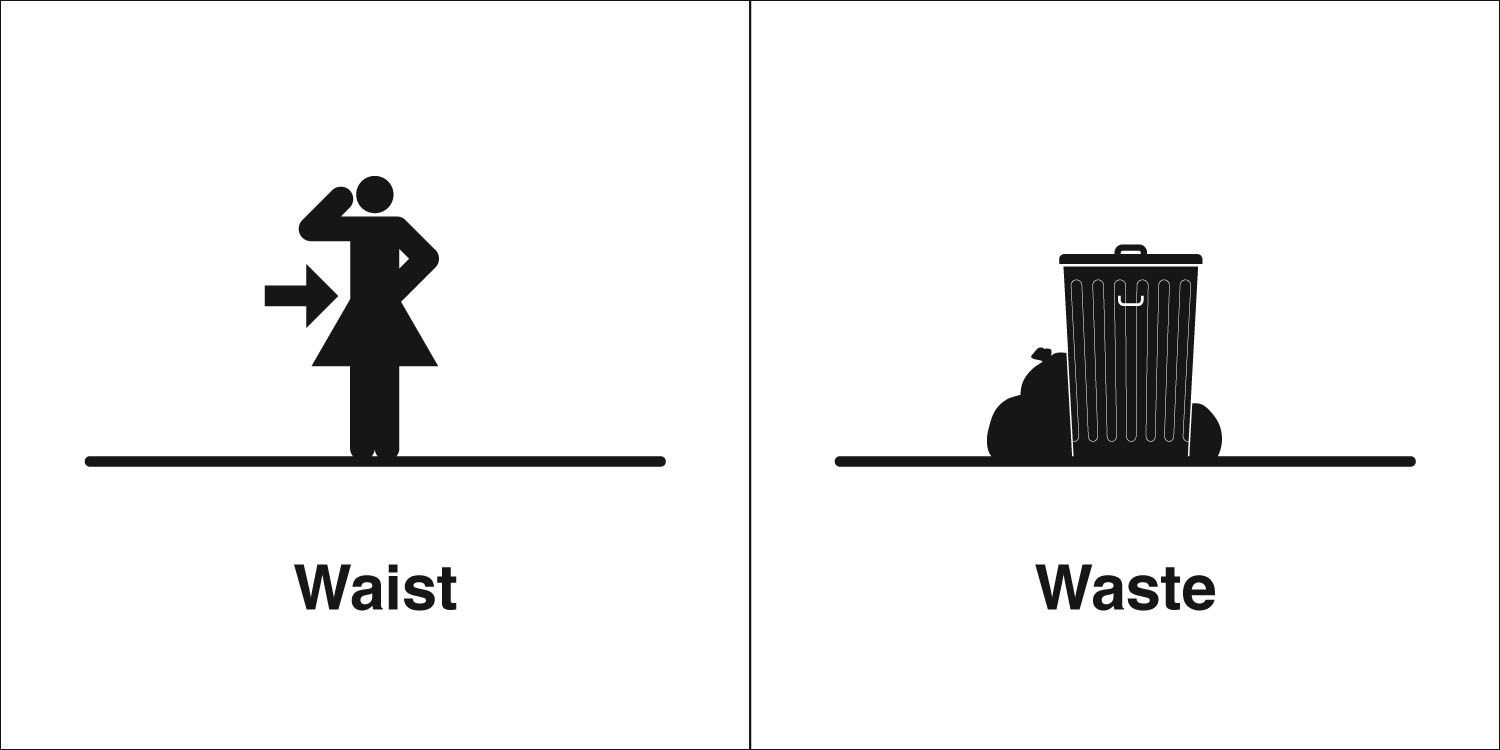
Waste usually relates to unwanted material or using something carelessly. Waist refers to the middle part of the human body. Both words are common in everyday English, so knowing the difference is useful.
In this guide, we will explain waste vs waist with simple examples. You will also learn common mistakes and easy memory tricks. By the end, choosing the correct word should feel much easier.
Waste vs Waist: Quick Difference
The easiest way to understand these words is to focus on meaning. Waste relates to something being thrown away, lost, or used without good reason. It can describe garbage, food, time, money, energy, or other resources.
Waist, on the other hand, refers to the middle area of your body. It is the area between the ribs and hips. We often use it when discussing clothing, body measurements, belts, and body shape.
Here is a quick comparison:
| Word | Meaning | Example |
|---|---|---|
| Waste | Something unwanted or used badly | Don’t waste your time. |
| Waste | Unwanted material | Please put the waste in the bin. |
| Waste | Use something carelessly | Don’t waste water. |
| Waist | Middle part of the body | The belt fits my waist. |
| Waist | Body measurement | My waist size is 32 inches. |
The main rule is very simple.
Waste = unnecessary use, loss, or unwanted material.
Waist = the middle part of the body.
What Does Waste Mean?
The word waste has several meanings in English. It can work as a noun, verb, or part of a compound expression. Its meaning usually connects to something being used unnecessarily or something left over.
For example, you can waste your time. You can waste your money. You can also waste food or water. The word can also describe unwanted materials that people throw away.
This makes waste a very flexible English word. You will often see it in everyday conversations and formal writing. It also appears in environmental discussions, business writing, education, and many other areas.
Waste as a Verb
As a verb, waste means using something without good reason. The thing being wasted can be time, money, food, energy, or another resource.
For example:
- Don’t waste your time.
- Please don’t waste water.
- We should not waste food.
- He wasted his money on unnecessary items.
- She does not want to waste another opportunity.
In each example, something is being used without enough purpose or care.
The word can also describe an opportunity that was not used properly. For example, someone might say, “He wasted a great opportunity.” The meaning is clear because the opportunity was not used effectively.
Waste as a Noun
Waste can also work as a noun. In this form, it can mean unwanted material or something that has been unnecessarily used.
For example:
- The factory produces a lot of waste.
- Food waste is a growing concern.
- That was a waste of money.
- Leaving the lights on was a waste of energy.
- Throw the waste into the correct container.
The phrase “a waste of” is especially common. You can use it with time, money, effort, space, energy, and other resources.
For example, “That meeting was a waste of time.”
What Does Waist Mean?
The word waist has a much more specific meaning. It refers to the middle part of the human body. It is generally located between the ribs and hips.
You commonly hear waist when people discuss clothes and measurements. Belts, trousers, skirts, dresses, and other clothing can relate to the waist.
For example:
- This belt fits around my waist.
- The trousers are loose around my waist.
- She measured her waist for the dress.
- These jeans have a high waist.
- The shirt fits comfortably around his waist.
Unlike waste, the word waist normally functions as a noun. It does not mean using something carelessly or throwing something away.
Waist in Clothing
The word waist appears often in fashion and clothing descriptions. You may see phrases such as waist size, waistband, waistline, and high-waisted.
For example, a clothing store may ask for your waist measurement. A tailor may measure your waist before making trousers.
You might also hear someone say, “These jeans are tight around my waist.” Here, waist clearly refers to the body.
This context makes the correct spelling easy to identify.
Why Are Waste and Waist So Confusing?
The biggest reason is pronunciation. Waste and waist are commonly pronounced the same way. This makes them homophones.
Their sounds do not give you enough information to choose the spelling. You need to look at the meaning and context instead.
Imagine someone says:
“Don’t ___ your time.”
You cannot hear whether they mean waste or waist. However, the meaning gives you the answer.
The correct sentence is:
“Don’t waste your time.”
Time is not a body part. Therefore, waste is the correct word.
Now consider this sentence:
“The belt goes around my ___.”
Again, the pronunciation does not help. However, a belt goes around the middle of your body.
Therefore, the correct word is:
“The belt goes around my waist.”
This is why context is more useful than pronunciation.
Waste vs Waist Examples
Examples are one of the easiest ways to understand the difference. When you see these words in real sentences, their meanings become much clearer.
Examples With Waste
Here are some common examples:
- Don’t waste your time on unnecessary arguments.
- We should not waste clean drinking water.
- Food waste can be reduced with better planning.
- Buying something you never use can waste money.
- Please put the household waste in the correct bin.
- He did not want to waste another opportunity.
- Leaving the food untouched was a waste.
- Try not to waste your energy on small problems.
Each example connects waste with loss, unnecessary use, or unwanted material.
Examples With Waist
Now look at examples using waist:
- The belt fits comfortably around my waist.
- She measured her waist before buying the dress.
- These trousers are loose around the waist.
- The jacket has a narrow waist design.
- He wears a belt around his waist.
- The tailor checked my waist measurement.
- These jeans have a high waist.
- The dress fits tightly around her waist.
Each sentence relates to the body, clothing, or measurement.
Common Waste vs Waist Mistakes
Many mistakes happen because both words sound identical. Writers sometimes choose the spelling that feels right. That approach can lead to errors.
“Don’t Waist Your Time”
This is one of the most common mistakes.
❌ Don’t waist your time.
✅ Don’t waste your time.
Here, waste is correct because the sentence means using time unnecessarily.
The word waist refers to your body. Therefore, it cannot replace waste in this sentence.
Around My Waste
This is another common error.
❌ The belt goes around my waste.
✅ The belt goes around my waist.
A belt goes around the middle part of your body. Therefore, waist is the correct spelling.
I Waisted Two Hours
This mistake often appears in informal writing.
❌ I waisted two hours watching that show.
✅ I wasted two hours watching that show.
The verb is waste. Its past tense is wasted.
The word waist does not normally work as this verb.
Waste vs Waist in Everyday English
Both words appear regularly in everyday communication. However, their contexts are usually very different.
You might talk about wasting time during a conversation. You might discuss food waste while cooking. You could also complain about wasted money after buying something unnecessary.
The word waist appears more often in conversations about clothes and body measurements. You may mention your waist when buying trousers or choosing a dress size.
The surrounding words usually provide a strong clue. This makes context the best tool for choosing the right spelling.
How to Remember the Difference
You do not need a complicated grammar rule. A simple memory trick can help.
Think:
WAIST = BODY
WASTE = BIN
When you think about a belt, clothing, or your body, choose waist.
When you think about garbage, unnecessary use, or something being thrown away, choose waste.
There is another useful trick. Notice the I in waist.
You can remember:
I have a waist.
The letter I can remind you that waist relates to your body. This type of memory trick is useful because it connects spelling with meaning.
Waste vs Waist: A Simple Context Test
When you are unsure, stop and ask yourself one question:
What am I talking about?
If you are talking about the body, choose waist.
If you are talking about garbage, unnecessary use, or loss, choose waste.
You can also replace the word with a simpler idea.
If the sentence means “use carelessly,” choose waste.
If it means “unwanted material,” choose waste.
If it means “middle of the body,” choose waist.
If it means “body measurement,” choose waist.
This test works because it focuses on meaning instead of sound.
Waste and Waist in Different Contexts
The difference becomes even easier when you see how each word appears in different areas.
Food
When talking about leftover or discarded food, use waste.
For example:
We should reduce food waste at home.
Do not write:
We should reduce food waist.
The first sentence is correct because it refers to food that is not used.
Time
When talking about unnecessary use of time, use waste.
For example:
Don’t waste your time waiting for an answer.
Here, waste describes unnecessary use.
Money
When discussing unnecessary spending, use waste.
For example:
Buying things you never use can waste money.
Again, the word relates to poor or unnecessary use.
Clothing
When talking about body measurements or clothing fit, use waist.
For example:
The trousers are comfortable around the waist.
Here, the word clearly refers to the body.
Fitness
Fitness discussions also commonly use waist.
For example:
The trainer recorded my waist measurement.
The sentence concerns a body measurement. Therefore, waist is correct.
Waste vs Waist Grammar Rules
Understanding grammar can make this difference even easier.
Waste has several grammatical uses. It can function as a verb and noun. It also appears in many compound expressions.
Examples include:
- waste time
- waste money
- waste food
- waste energy
- food waste
- household waste
- waste material
- waste management
Waist is primarily a noun.
Examples include:
- waist size
- waist measurement
- waistline
- waistband
- waist-high
- high-waisted clothing
The grammar pattern can therefore provide another useful clue.
If the word describes an action involving time or resources, waste is usually correct.
If it describes a body area or clothing measurement, waist is correct.
Is Waste or Waist Correct?
There is no single winner because both words are correct. The right choice depends entirely on your sentence.
Use waste when you mean unnecessary use, loss, or unwanted material.
Use waist when you mean the middle section of the body.
For example:
Correct: Don’t waste your money.
Correct: The trousers fit my waist.
Both sentences use the correct spelling for their meaning.
The important thing is not choosing between two words in general. Instead, choose the word that matches your intended meaning.
Waste vs Waist in Formal Writing
This distinction matters in formal writing too. A spelling mistake can change the meaning of a sentence. It may also make your writing appear less polished.
Students may encounter these words in assignments. Employees may use them in emails. Writers may use them in articles and reports.
For example, a report might discuss industrial waste. A clothing description might mention waist measurements.
In both cases, context makes the correct word clear.
Good proofreading should therefore check meaning, not just spelling. A spellchecker may not catch every mistake involving these words. Both waste and waist are valid English words.
Quick Comparison: Waste vs Waist
| Question | Correct Word |
|---|---|
| Do not ___ your time. | waste |
| Reduce food ___. | waste |
| Put the household ___ in the bin. | waste |
| Don’t ___ your money. | waste |
| The belt fits around my ___. | waist |
| Measure your ___. | waist |
| These trousers fit my ___. | waist |
| The dress has a narrow ___. | waist |
| ___ management is important. | waste |
| What is your ___ size? | waist |
Frequently Asked Questions About Waste vs Waist
Are waste and waist pronounced the same?
Yes, they are commonly pronounced the same in English. This is why many people confuse them. Their spellings and meanings are different, so context is important when choosing the correct word.
What is the difference between waste and waist?
Waste relates to unwanted material, unnecessary use, or loss. Waist refers to the middle part of the human body. For example, you can waste time, but you wear a belt around your waist.
Is “waist your time” correct?
No. The correct phrase is “waste your time.” The verb waste means using something unnecessarily. The word waist refers to a part of the body.
Is “waste size” correct?
Usually, no, if you mean a body measurement. The correct phrase is “waist size.” For example, you might say, “My waist size is 32 inches.”
Is “food waist” correct?
No. The correct phrase is “food waste.” It refers to food that is discarded or not used. The word waist has a body-related meaning.
Is “around the waste” correct?
If you are talking about the body, it is incorrect. The correct phrase is “around the waist.” For example, “The belt goes around the waist.”
Is waist a verb?
In ordinary modern English, waist is not normally used as the verb people mean here. If you mean using something unnecessarily, use waste. For example, “I wasted two hours.”
How can I remember waste and waist?
Use this simple rule:
Waist = body.
Waste = bin, loss, or unnecessary use.
You can also remember the sentence, “I have a waist.” The letter I can help you remember the spelling.
Final Thoughts on Waste vs Waist
The difference between waste vs waist is much easier once you focus on meaning. The two words sound alike, but they describe completely different ideas.
Use waste when you are talking about unnecessary use, loss, garbage, or unwanted material. You can waste time, waste money, waste food, or reduce household waste.
Use waist when you are talking about the middle part of the body. It is common in clothing, fitness, fashion, and body measurement discussions.
When you are unsure, do not rely on pronunciation. Look at the meaning of the sentence instead.
If the sentence involves a body, belt, clothing, or measurement, choose waist.
If it involves garbage, time, money, food, resources, or unnecessary use, choose waste.
Once you connect each spelling with its meaning, this common English mistake becomes much easier to avoid.